
Introduction to Backyard Dirt Bike Graphics
In the world of dirt biking, personal expression and bike protection are paramount. Backyard dirt bike graphics serve as a dynamic solution, seamlessly marrying aesthetics with functionality. For motorcycle owners, these graphics not only enhance the visual appeal of their bikes but also provide essential protection against the wear and tear of rugged terrains. Custom designs allow riders to showcase their personality and style, whether through vibrant colors or unique patterns that set them apart from the rest of the pack.
For motorcycle repair shops and technicians, understanding the significance of these graphics is crucial in delivering comprehensive services to clients. Not only do backyard dirt bike graphics contribute to the bike’s overall look, they also possess durability that stands up against the elements, making them a worthwhile investment for any rider. Knowing the best materials and techniques can also improve the installation process, ensuring that the graphics remain intact and vibrant for years to come. Considering that proper installation can vastly influence longevity and visual appeal, sharing installation tips can be invaluable for helping clients maintain their graphics in pristine condition.
Moreover, with the growing demand for custom dirt bike graphics, shops can leverage this trend to attract more customers who are looking to personalize their ride. Whether you’re a technician who wants to provide enhanced service or a motorcycle owner keen on making a statement, diving into the world of backyard dirt bike graphics opens a realm of possibilities. For more insights, check out our top 10 dirt bike graphics tricks and explore our custom dirt bike graphics options for inspiration and ideas.
Types of Dirt Bike Graphics
Dirt bike graphics are an essential component for riders who want to personalize their ride, enhance its aesthetics, and even improve visibility. These graphics not only contribute to the bike’s style but can also promote brand identity and rider personality. The following section explores various types of dirt bike graphics.
Pre-Designed Graphics
- Definition: These are graphics that have been designed in advance and are available for purchase. They can be found in catalogs or online stores and usually cater to popular models of dirt bikes.
- Benefits:
- Time-Saving: They can be easily ordered and received, reducing the time needed for design and production.
- Cost-Effective: Typically, pre-designed graphics are less expensive than custom options since they are produced in bulk.
- Variety: Many styles and designs are available, including vibrant colors, patterns, and even themed graphics.
- Examples:
- Brands often feature popular designs like flame graphics, racing numbers, or team logos which can be quickly ordered.
Custom Graphics
- Definition: Custom graphics are tailored specifically for an individual rider or a specific bike model according to the rider’s preference.
- Benefits:
- Personalization: Riders can incorporate their name, number, favorite colors, and unique designs to reflect their personality and style.
- Unique Identity: Custom graphics help riders stand out, especially in competitive events, where individual branding is critical.
- Creation Process:
- Riders typically work with graphic designers or use graphic design software to create their graphics before sending them to print.
- Options to create custom graphics include custom dirt bike graphics services that offer templates or full design capabilities.
Wraps
- Definition: Vinyl wraps are large pieces of vinyl material that cover the entire bike or significant portions, offering a dramatic change in appearance.
- Benefits:
- Durability: Wraps are made from high-quality vinyl that can withstand harsh conditions and protect the underlying plastics from scratches.
- Reversibility: Unlike paint jobs, wraps can be removed easily, allowing for changes in designs without permanent alteration.
- Wide Range of Styles: Available in various finishes, including matte, glossy, and even holographic, adding unique visual flair.
- Examples: Many riders opt for full bike wraps that incorporate bold graphics, patterns, and even wrap effects like chrome or carbon fiber looks.
Decals
- Definition: Decals are smaller, standalone graphics that can be applied to various parts of the bike, such as the number plates, fenders, or gas tanks.
- Benefits:
- Affordability: Decals are generally cheaper than full graphics kits or wraps, making them accessible for riders on a budget.
- Flexibility: Riders can choose multiple decals and arrange them according to personal style, allowing for incremental customization over time.
- Easy Application: Most decals come with adhesive backing, making them simple to apply and remove, perfect for those who want to switch up their look frequently.
- Popular Uses: Personal logos, number stickers, or brand associations can be easily applied through decals.
Conclusion
In the world of dirt bike customization, choosing the right type of graphics is crucial for both aesthetics and personal expression. Whether riders opt for pre-designed graphics, create custom pieces, utilize wraps for a comprehensive makeover, or incorporate decals for minor enhancements, the possibilities are extensive. For those looking to dive deeper into varying graphic types, you can explore options through resources like dirt bike graphics kits or custom graphics for dirt bikes.
With the right graphics, a dirt bike can become more than just a vehicle; it can be a canvas for creativity and individuality, reflecting the spirit of its rider.
| Brand | Features |
|---|---|
| Brand A | Durable, weather-resistant materials |
| Brand B | Custom design options available |
| Brand C | Pre-printed graphics for easy install |
| Brand D | High-resolution print quality |
| Brand E | Eco-friendly materials |
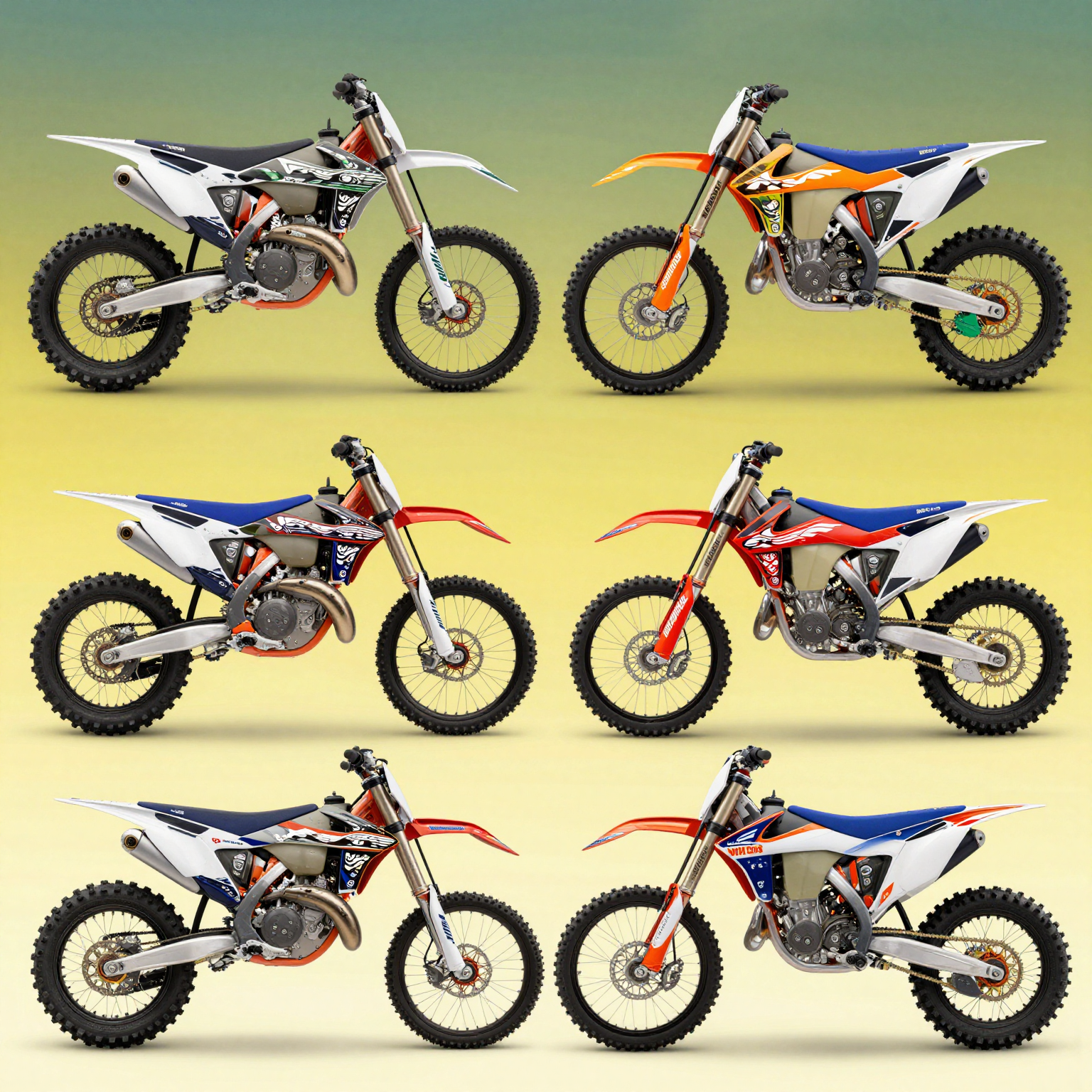
How to Properly Install Dirt Bike Graphics: A Step-by-Step Guide
Installing graphics on your dirt bike is a great way to personalize your ride while also protecting the underlying plastic. With the right tools and techniques, you can easily achieve a professional-looking design. Below is a detailed guide on how to install dirt bike graphics, complete with practical tips and common mistakes to avoid.
Tools and Materials Needed
Before you begin the installation process, gather the following tools and materials:
-
Cleaning Supplies
-
Isopropyl alcohol (or a specialized cleaning solution)
-
Lint-free cloths
-
Water and mild soap solution
-
Application Tools
-
Spray bottle (for water solution)
-
Squeegee or credit card (for smoothing out bubbles)
-
Sharp utility knife or scissors (for trimming)
-
Graphics Kit
-
Pre-cut graphics specifically designed for your dirt bike model
Step-by-Step Installation Instructions
- Prepare Your Workspace
- Ensure you have a clean, well-lit area to work in. A garage or workshop is ideal.
- Lay out all your tools and materials for easy access.
- Clean the Surface
- Use isopropyl alcohol and a lint-free cloth to thoroughly clean the areas where the graphics will be applied.
- Make sure there is no dirt, grease, or old stickers remaining, as this can affect adhesion.
- Plan the Layout
- Before removing any backing from the graphics, lay them out on your bike to visualize the positioning.
- Use this step to make sure everything fits correctly. You can mark the position lightly with a pencil if necessary.
- Apply the Graphics
- Start with larger graphics; peel off the backing slowly and apply the graphic to your bike’s surface.
- Lightly spray the back of the graphic with the soapy water solution before placing it. This allows you to reposition it if needed and prevents air bubbles.
- Smooth Out Air Bubbles
- Using a squeegee or credit card, gently smooth out the graphic starting from the center moving outward.
- Use a light touch to avoid damaging the graphic. If air bubbles form, you can poke them gently with a needle and smooth the area again.
- Trim Excess Material
- Once the graphic is in place and smoothed out, use a sharp utility knife or scissors to trim any excess material along the edges.
- Be careful not to cut into the plastic of your bike.
- Allow to Cure
- Let the graphics cure for at least 24 hours before exposing them to water or harsh conditions.
Practical Tips for a Successful Installation
- Work In a Controlled Environment: The best temperature for applying graphics is between 70°F and 80°F. Avoid working in direct sunlight or extreme cold.
- Avoid Touching the Adhesive Side: Handling the adhesive side can leave oils from your fingers, which may prevent proper adhesion.
- Use a Heat Gun: For curved surfaces, a heat gun can warm the graphic slightly, making it more malleable for better application.
Common Mistakes to Avoid
- Skipping the Cleaning Step: Not cleaning the surface can lead to poor adhesion and bubbling.
- Rushing the Application: Take your time with the alignment and smoothing process. Rushing can lead to misalignment and trapped air bubbles.
- Using Incorrect Materials: Ensure that the spray adhesive or cleaner you use is compatible with your bike’s plastics and graphics.
- Ignoring Directions: Always refer to specific manufacturer instructions for the graphics kit you’ve purchased, as different materials may have different requirements.
Conclusion
Installing dirt bike graphics can greatly enhance the aesthetics of your ride, but it requires careful preparation and technique. By following these steps and avoiding common mistakes, you can achieve a clean and professional finish. For more related tips, you can learn more about DIY dirt bike graphics or check out our guide on the top 10 dirt bike wraps.
Maintenance Tips for Dirt Bike Graphics
-
Regular Cleaning:
-
Always clean your dirt bike graphics after every ride. Use a mild soap solution and soft cloth or sponge to avoid scratches.
-
Rinse off any mud, dust, or debris thoroughly. This prevents grime from setting into the graphics and degrading them over time.
-
Avoid Harsh Chemicals:
-
Steer clear of strong solvents or abrasive cleaners, as they can damage the graphic finish. Stick to pH-neutral soaps for surface cleaning.
-
Avoid using any pressure washers directly on the graphics, as the high-pressure water can lift the edges of the decals.
-
Protect from UV Rays:
-
Store your dirt bike in a shaded area or use a protective cover. Prolonged exposure to sunlight can fade colors and cause cracking in the graphic material.
-
Consider using UV-resistant sprays or coatings that can add an extra layer of protection, helping maintain color integrity.
-
Protect from Elements:
-
After riding in wet or muddy conditions, be sure to dry the graphics immediately. Water can seep under the decals, causing them to peel or bubble.
-
Avoid storing the bike in damp environments where moisture can accumulate and adversely affect the graphics.
-
Resistance to Wear and Tear:
-
Install a tank protector or knee grips to reduce wear from riding gear rubbing against the graphics.
-
Regularly inspect the graphics for any signs of peeling or lifting to catch issues early before they worsen.
-
Avoid High-Temperature Areas:
-
Park your dirt bike away from direct heat sources, as high temperatures can warp or damage the graphics.
-
Be cautious not to leave your bike in hot vehicles or direct sunlight for extended periods, especially during the summer.
-
Professional Maintenance:
-
Consider having a professional apply graphics if you plan on using very intricate designs. A proper installation can significantly increase longevity and durability.
-
Regularly consult with professionals for advice on keeping your graphics in top condition.
-
Routine Checking:
-
Check the condition of your graphics routinely, especially before major rides or events. Replace any graphics that show extreme wear or damage to maintain aesthetics and functionality.
-
Avoid Scratching:
-
Be mindful of tools and equipment that may come into contact with the graphics. Consider using a protective layer if necessary.
-
Ensure that any decals placed on the bike do not interfere or overlap with existing graphics, which can lead to wear over time.
By following these graphic care tips, dirt bike owners can enhance the lifespan and appearance of their graphics. Ensuring proper maintenance not only keeps your bike looking good but also contributes to its resale value.