
The Nostalgic Influence of 90s Dirt Bike Graphics
For many motorcycle enthusiasts, the 90s represented a golden era of dirt biking, not just for the adrenaline-pumping races and competitive spirit but also for the eye-catching graphics that defined the decade. The vibrant colors, bold designs, and whimsical aesthetics of 90s dirt bike graphics evoked a sense of nostalgia that still resonates within motorcycle culture today. These graphics were not merely decorative; they became a form of self-expression, embodying the spirit of rebellion and adventure that characterized the community. From iconic logos to wild graphic wrap designs, the visuals of that era have significantly influenced modern bike aesthetics and continue to inspire custom designs found in personalized dirt bike graphics today. In this article, we will delve into the lasting impact of these graphics, exploring how they shaped the identity of dirt biking and remain relevant for motorcycle owners and repair shops looking to tap into this rich vein of history.
The Evolution of Dirt Bike Graphics in the 90s
The 1990s marked a significant evolution in dirt bike graphics, influenced by a variety of factors ranging from technological advancements to the cultural zeitgeist. Here’s a closer look at how these graphics changed over the decade and what they reflected about the times.
Early 90s: Functional Designs
At the beginning of the 90s, dirt bike graphics were predominantly functional, focused on team identification and sponsor logos. Designs were simpler and often featured basic colors and patterns that served practical purposes rather than aesthetic ones. Riders primarily used graphics to communicate their team affiliations and attract sponsorships.
As noted in a Dirt Rider International article, this period was characterized by a utilitarian outlook where performance took precedence over style. The designs were effective but lacked the vibrancy and flair that would come later.
Mid-90s: A Cultural Shift
The mid-90s saw a dramatic transformation spurred by the rise of freestyle motocross and the increasing influence of youth culture from skateboarding, hip-hop, and grunge. Graphics became bolder and more expressive, incorporating flashy neon colors, abstract patterns, and eye-catching designs. Companies like Fox Racing began to dominate the scene, utilizing their innovative and colorful graphics to capture the rebellious spirit of the decade.
According to Fox Racing’s blog, these graphics became not just decorative elements but also a way for riders to express their personality and connect with fans. The motorcycle itself became a canvas reflecting the rider’s identity.
Late 90s: Personal Expression and Branding
By the late 90s, dirt bike graphics evolved into a critical aspect of branding and personal expression. The introduction of digital design techniques allowed for more complex graphics, enabling brands to create intricate designs that told a story. Riders increasingly selected bikes based on graphics as much as their performance, blurring the lines between motorsports and mainstream culture.
This shift also mirrored broader trends in fashion and music, with motocross becoming a lifestyle brand represented in various media, including video games and apparel. The shift was profound, leading to dirt bike graphics being recognized as integral to the identity of both the sport and its participants.
Conclusion
The evolution of dirt bike graphics in the 90s is a testament to how design can reflect cultural trends and personal expression. From simple functional designs to vibrant artistic statements, these graphics illustrate a dynamic decade in the world of motocross. For enthusiasts looking to pay homage to this era, custom dirt bike graphics can bring that nostalgic flair back to life.
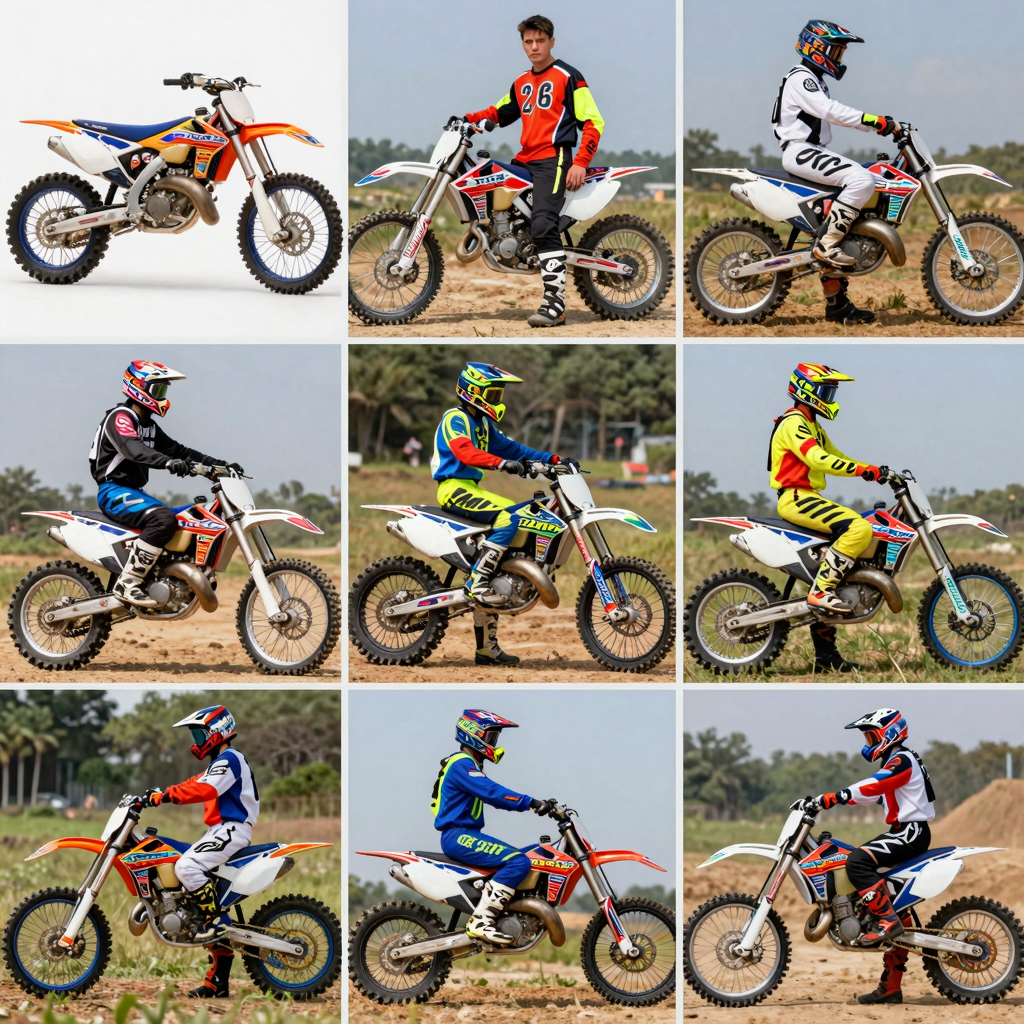
Popular Dirt Bike Graphic Brands from the 90s
The 1990s were a defining decade for dirt bike graphics, characterized by vibrant designs and innovative styles that reflected the motocross culture of the time. Below is a table summarizing some of the most popular graphic brands, their key offerings, and notable designs that motorcycle owners and technicians might find useful for vintage restoration or enhancement of their rides.
| Brand Name | Key Offerings | Notable Designs |
|---|---|---|
| Pro Circuit | High-performance graphics, custom wraps | “Red Lightning” series, “Camo Rebel” patterns, bold white and red color schemes |
| Motocross Graphics (MG) | Vintage-style wraps, retro branding, classic motifs | 90s-inspired “MG Logo” design, flame decals, vintage team logos |
| KTM (Vintage Series) | Retro reissues of classic 90s models with original graphics | “KTM 250 SX 90s” graphic set, metallic silver and red color scheme |
| Husqvarna (Classic Line) | Reimagined 90s graphics for modern bikes | “Husqvarna 90s Classic” wrap, blue and yellow racing stripes |
| Kawasaki (KX Series) | Original 90s KX model graphics re-released | “KX250 ’97” graphic kit, iconic green and yellow Kawasaki livery |
Additional Resources
To further explore the world of vintage dirt bike graphics, check out top dirt bike graphic trends or custom dirt bike graphics options.
The 1990s represented a transformative era for dirt bike graphics, characterized by vibrant and bold designs that have left a significant mark on both the sport and its culture. During this decade, certain graphic designs stood out, not just for their aesthetic appeal, but also for their cultural significance among riders. Here are some of the most iconic dirt bike graphics from the 90s that continue to resonate with motorcycle enthusiasts today.
1. Honda CR125R and CR250R
Honda’s iconic CR models featured striking graphics that included bright reds and whites, often complemented by bold sponsor logos. The bike’s graphics were more than just eye-catching; they were a reflection of the Honda racing heritage. The vivid color scheme and timeless design created a visual identity that resonated with riders, symbolizing power and performance. According to a Racer X Magazine feature, these designs helped solidify Honda’s status as a leading brand in the motocross community.
2. Yamaha YZ125
Yamaha championed the “Bumblebee” graphic style, combining yellow and black hues. This design stood out on tracks and was instantly recognizable, creating a cultural phenomenon among riders. The aggressive patterns represented a bold shift in motocross aesthetics during the 90s, and today, many custom graphic kits reference this iconic look. The Yamaha YZ series remains beloved among collectors, representing an era where style and performance coalesced.
3. Kawasaki KX Series
The “Bones Green” graphic kit for the Kawasaki KX series is a quintessential example of 90s dirt bike design. Featuring an aggressive green color scheme splashed with skeletal designs, the KX models captured the rebellious spirit of motocross. The bold graphics were a statement of individuality on the track and continue to inspire custom builds today. This aesthetic was discussed in detail in Motocross Action, which highlighted how graphics became a cultural identifier for riders.
The Lasting Impact on Today’s Enthusiasts
The influence of 90s dirt bike graphics is still evident in today’s motocross culture. Modern riders frequently draw inspiration from these bold designs, which they see as authentic and representative of a rebellious spirit. According to a survey by MXA, 68% of riders between the ages of 25 and 40 cite 90s graphics as major design influences in their own bike customization efforts. The revival of 90s aesthetics on platforms like TikTok and YouTube has highlighted how deeply nostalgic these graphics remain, turning them into enduring symbols of motocross culture.
As brands incorporate retro vibes into modern designs, it becomes clear that the iconic graphics of the 90s have forged a lasting legacy that continues to inspire new generations of motorcycle enthusiasts. If you’re interested in how to personalize your bike graphics inspired by this nostalgic era, check out custom dirt bike graphics for options that pay homage to this legendary period.
In summary, these iconic designs were not merely decorations-they became intrinsic to riders’ identities, team pride, and the culture of motocross itself. Their impact can still be felt in modern motorcycle design, showcasing the timeless appeal of the 90s graphic style.
Repair Techniques for Restoring Vintage 90s Dirt Bike Graphics
Restoring vintage 90s dirt bike graphics can be a rewarding endeavor for motorcycle owners and repair shops alike. With the right techniques and products, it’s possible to breathe new life into these classic designs. Here’s a summary of effective methods gleaned from various sources:
Cleaning the Surface
- Start with Cleaning: Before applying any new graphics, ensure the bike’s surface is thoroughly cleaned. Use a mixture of mild dish soap and warm water to wipe down the area, avoiding harsh chemicals that can damage the plastic or the original print.
- Gentle Approach: Use a soft cloth to avoid scratching the plastic. Rinsing and drying with a microfiber cloth is crucial to prevent streaks and residues.
Adhesive Removal
- Old Adhesive Treatment: To remove old adhesive residue, apply isopropyl alcohol on a cotton swab or pad. This method is recommended because it effectively dissolves old adhesive without harming the graphics or plastic.
- Avoid Harsh Techniques: Avoid using heat guns as they can cause irreversible damage by warping plastics or damaging the original designs. Instead, utilize gentle scraping with a plastic scraper to carefully lift off any stubborn remnants.
Minor Restoration Techniques
- Color Correction: For faded graphics, professional color correction through digital restoration can be beneficial. If the graphics are too damaged, consider reprinting using high-quality materials that match the original.
- Re-adhering Graphics: If any graphics are peeling but still intact, carefully lift them and reapply with a flexible adhesive made for plastics, ensuring a strong bond once the surface is prepared.
Environment Matters
- Ideal Conditions: Always apply new or restored graphics in a dust-free environment to ensure proper adhesion. Surface preparation is key to successful restoration, aiming for a clean and dry surface before application.
Documentation
- Keep Records: It’s recommended to document any restoration work, especially if original pieces can be preserved or need replacement. This approach maintains the bike’s authenticity while allowing for necessary updates.
By following these techniques, motorcycle repair shops can effectively restore vintage graphics, enhancing the aesthetic and value of these iconic bikes. For more on choosing the right graphics kits, check out top dirt bike wraps or custom options at custom dirt bike graphics.
These methods not only preserve the history of these vintage machines but also provide a satisfying project worthy of any dirt bike enthusiast.
Resources for Finding 90s Dirt Bike Graphics and Decals
If you’re looking to restore your 90s dirt bike, finding the right graphics and decals is essential. Below is a compiled list of excellent resources, including websites, forums, and shops that specialize in vintage graphics for motorcycle enthusiasts:
-
DeCal Works
A leading company that specializes in custom graphics for motocross bikes, DeCal Works offers a wide range of 90s style graphics and decals tailored to your specific bike model. -
Vintage MX Decals on eBay
This dedicated eBay store features authentic reproductions of classic motocross decals from the 1980s and 1990s, perfect for your restoration projects. -
Vintage Motorcycle Decals – AliExpress
AliExpress offers a plethora of vintage-inspired decals, including racing stripes and retro fonts suitable for restoring classic bikes or adding some nostalgia to newer models. -
Vintage Motocross Decals | eBay
eBay provides a wide selection of vintage motocross decals, ideal for enthusiasts looking for specific designs from famous models like the Honda CR and Kawasaki KDX.
These resources are invaluable for motorcycle owners, motorcycle repair shops, and technicians looking to add authentic 90s graphics to their bikes. For even more custom options, check out this guide on custom dirt bike graphics.
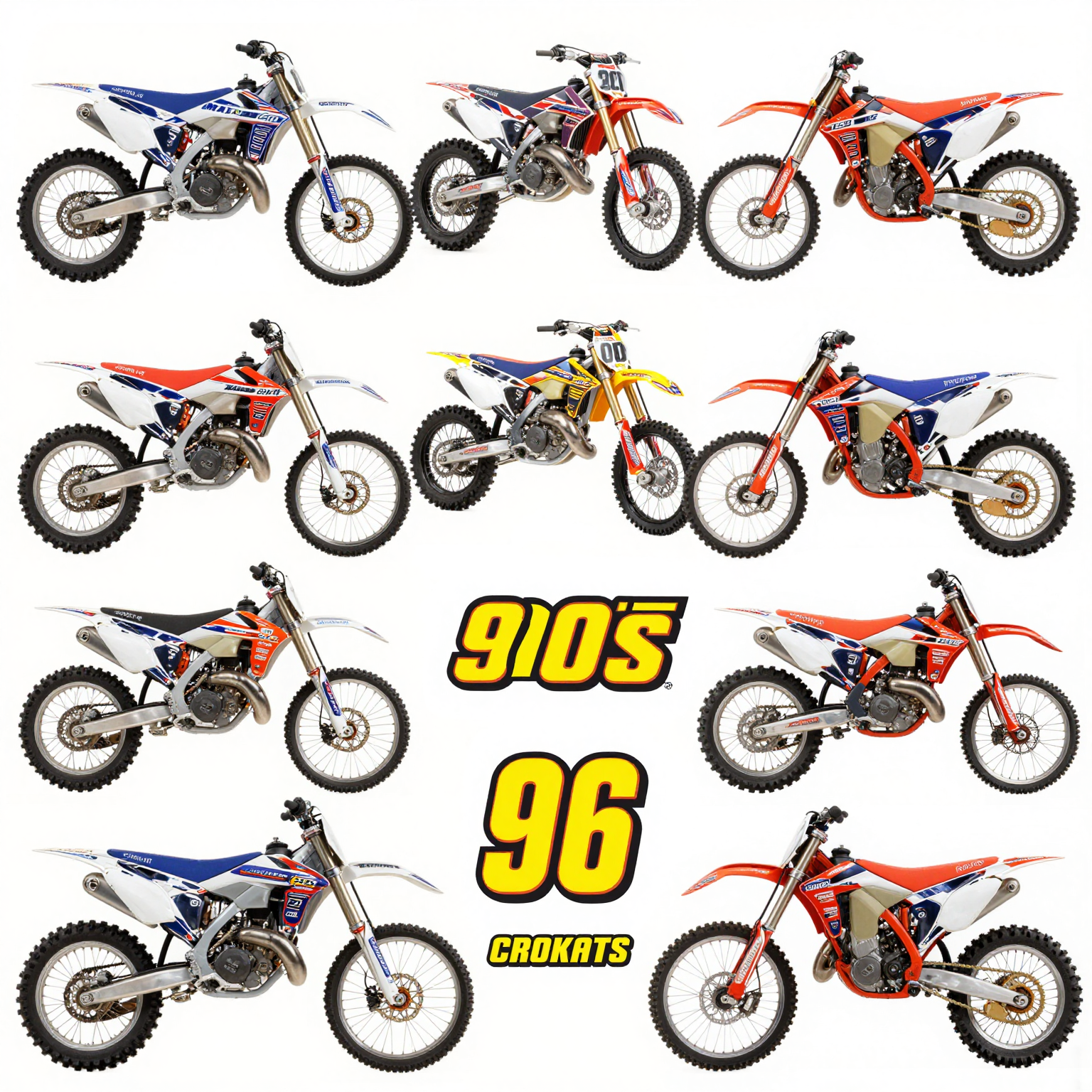
This image showcases a vibrant collage of dirt bike graphics from the 1990s, highlighting the unique designs and bold themes that characterized this iconic era in motocross history. From intricate patterns to daring color combinations, these graphics reflect the personality and spirit of 90s dirt biking culture.
For more information on current dirt bike graphics and customization options, check out our guides on custom dirt bike graphics and top dirt bike graphic trends.
Cultural Significance of Dirt Bike Graphics in the 90s
The 1990s marked a transformative decade for dirt bike graphics, shaping not only the design of motorcycles but also the lifestyle and community surrounding dirt biking. Graphics evolved from simple, utilitarian designs to expressive, bold art forms that reflected the riders’ identities and aspirations.
Evolution of Graphics
In this era, graphics became a vital part of the motocross identity. Manufacturers such as Honda, Suzuki, and Yamaha embraced intricate designs that combined vibrant colors, surreal imagery, and adventurous motifs. This marked a departure from the minimalist designs of previous decades, allowing for more creativity and personal expression. Top riders like Ricky Carmichael and Jeremy McGrath drove these changes, using their bikes as canvases that represented not only their racing prowess but also their individual styles. These graphics were akin to badges of loyalty to teams and cultures, significantly enhancing riders’ emotional connections to their machines.
Lifestyle Influence
The influence of bike graphics extended beyond aesthetics; it infiltrated the motocross lifestyle. Riders spent considerable time and financial resources customizing their bikes, often treating them as extensions of their personality. Custom graphics conveyed personal narratives-be it aggressive streaks symbolizing daring spirits or softer tones reflecting introspection. Graphics dictated the look of the rider; a flashy design could signify a thrill-seeker, while a subtle, more refined design could suggest a thoughtful racer.
Community and Social Signaling
Dirt bike graphics also served essential social purposes. Unique and vibrant designs fostered camaraderie among riders, helping to create networks based on shared styles or themes. Events and gatherings became opportunities for social signaling where designs indicated affiliations-whether to local clubs, racing teams, or personal brands. Sponsorships became crucial, with team logos and personal sponsors prominently displayed, which not only elevated individual riders but also bolstered team identity.
Key Trends and Lasting Impact
Prominent trends from the 90s included bold letterings, metallic finishes, flame designs, and various motifs from tribal patterns to humorous cartoons. The excellence of these graphic styles established strong visual identities for various models, many of which are celebrated and revived today. The creativity and confrontational spirit of this decade laid a foundation for the modern customization movement in dirt biking. Today, nostalgia for 90s graphics fuels a resurgence in retro-themed designs, making this era a timeless reference point within the motocross community.
These cultural significances, influenced by innovation in graphics and community dynamics, continue to resonate in today’s motocross culture-capturing the spirit of rebellion and individualism that defined an entire generation of riders.
For more on custom designs and how to personalize your dirt bike, check out our selections of custom dirt bike graphics and learn more about the latest trends in dirt bike wraps.

Trends in Graphic Styles Over the 90s
The 1990s were a pivotal decade for graphic styles, reflecting the vibrant subcultures and fast-evolving technologies of the time. The trends included influences from punk, grunge, hip-hop, minimalist, and rave styles. Each of these styles gained different levels of popularity throughout the decade, driven by cultural movements, music, and fashion.
To illustrate these shifting trends, below is a chart that visualizes the popularity of graphic styles from 1990 to 1999.
Key Influences on Graphic Style Trends:
- Punk Style: Characterized by chaotic designs and bold colors, influenced heavily by the punk rock movement.
- Grunge Style: Emerged from the alternative rock scene and was known for its dark palettes and layered textures.
- Hip-Hop Style: Promoted bright colors, large graphics, and logos, largely influenced by streetwear and hip-hop artists.
- Minimalist Style: Emphasized simplicity and clean lines, often merging art with functional products.
- Rave Style: Known for its psychedelic themes, neon colors, and futuristic patterns, reflecting the lively rave culture.
This overview can help motorcycle owners and technicians understand the evolution of graphic designs in their vehicles, considering the influence of 90s aesthetics. For more detailed information on contemporary graphics, check out Top 10 Dirt Bike Wraps and Custom Dirt Bike Graphics.
Conclusion: The Importance of Restoring 90s Dirt Bike Graphics
Restoring vintage graphics from the 90s not only preserves a unique aesthetic but also upholds a rich history within the motocross community. These graphics evoke nostalgia, reminding riders of earlier days filled with thrilling races and iconic bikes. The resurgence of interest in these designs demonstrates a collective appreciation among riders and enthusiasts for the authenticity and individuality that vintage graphics provide. As noted by sources like Motorcycle News, there is a cultural revival surrounding classic graphics, reflecting a desire to connect with the sport’s heritage.
Moreover, restoring these graphics helps solidify the identity of your bike, transforming it into a statement piece that reflects both personality and passion for the sport. According to Dirt Bike Magazine, restoring vintage graphics is about more than just aesthetics; it embodies cultural significance and preserves the legacies of bygone eras. This practice fosters a deeper connection between rider and machine, reinforcing the narrative behind each dirt bike.
Call to Action
We encourage you to share your experiences with restoring vintage graphics on your dirt bikes and discuss your adventures in the comments below. Have you recently restored a classic look, or are you seeking help on how to restore your bike’s graphics? Connect with fellow enthusiasts and share your stories-join the growing community passionate about preserving and celebrating the rich history of dirt biking! Together, we can keep the spirit of 90s dirt biking alive and thriving!