
Full Kit Graphics vs Shroud Only Graphics: What You’re Actually Buying
If you replace plastics a few times a season, graphics stop being a one-time cosmetic buy and turn into a running cost, like tires or levers. The choice between a full kit and a shroud-only set comes down to how often you bolt on new plastic, and how much of the bike you want to pay to cover again.
A full kit covers fenders, shrouds, number plates, and usually the airbox and swingarm. A shroud-only set covers the two radiator shrouds and nothing else. On the stand, both look finished. After a couple of crashes, the shroud-only bike has fresh graphics and the full-kit bike has a fresh bill for every panel.
Current full kits in our KTM graphics collection run about $200-$250 depending on finish. Shroud-only sets from custom sellers typically land around $40-$90. That gap drives most of the decision; install time and how much bare plastic you can live with decide the rest.
What Each Graphics Option Covers
Both options arrive pre-cut for your model, and most sellers print them on the same vinyl with the same laminate. The difference is how many panels are in the box.
Full Graphics Kit: Complete Plastic Coverage
A full kit is the complete set: both radiator shrouds, front and rear fenders, number plate backgrounds, fork guards, and usually airbox and swingarm decals. Everything is trimmed for your specific model and year, so installation is peel-and-place with no cutting. One order restores the whole bike, which is why riders who keep a plastic set for a full season tend to buy it. You can browse model-specific graphics kits to see how complete coverage reads on your machine.
Shroud-Only Graphics: The Panels People See
Shroud graphics are the left and right radiator shroud panels sold on their own. Those two panels sit in the rider’s line of sight and in most photos, so they carry more of the design than any other plastic. If you swap plastics often, or only one side gets scuffed, they give you the biggest visual change for the least money. Install takes minutes, which makes them an easy way to change the look between races or a weekend trip.
Full Kit vs. Shroud-Only Graphics: Side-by-Side Comparison
Most custom sellers use the same vinyl and laminate for both, so the real difference is panel count and how the cost behaves over a season. Prices move with bike model, finish, and print options; the ranges below are typical custom-shop figures, not quotes.
| Criteria | Full Kit Graphics | Shroud Only Graphics |
|---|---|---|
| Decal pieces in the box | Usually 15-25 pre-cut pieces | Usually 2-4 shroud decals |
| Visible surface coverage | Covers most body panels | Front shrouds only |
| Purchase price range | About $200-$250 | Roughly $40-$90 |
| Cost per plastic swap | Full set price each time | Shroud price each time |
| Installation time | 60-120 minutes including prep | 15-30 minutes, minimal prep |
| One panel damaged | Often means re-ordering the full set | Replace just that one shroud |
| Design consistency across bike | Uniform graphic front to rear | Strong on shrouds, no coverage elsewhere |
| Leftover decals | Spares for future panels | Rarely any spares in the box |
| Prep and tools needed | Cleaner, squeegee, heat gun advised | Same tools, far less surface |
| Best suited to which rider | Riders keeping plastics on the bike | Riders swapping plastics often |
Clear Signals That Shroud Only Graphics Are the Better Fit
- You swap plastics more than once a season. If you are replacing or rotating sets several times a year, shroud-only keeps your graphics spend tied to the panels that actually change. A full kit covering every panel rarely survives that turnover rate intact.
- You budget graphics as a consumable. When a set is a recurring cost rather than a one-time upgrade, covering only the highest-wear panels keeps each refresh affordable without giving up much visual impact.
- You like changing the look. New shroud graphics read as a different bike from ten feet away, for a fraction of a full set. The design budget lands on the panels that dominate the front-facing profile instead of spreading across surfaces nobody photographs.
- You keep spare plastics. If you store several plastic sets, unmatched decals become a stockkeeping problem. Shroud sets stay with the panels you actually mount, so spare sets do not sit idle waiting for a matching graphic.
- You want less bench time. Two panels to prep, align, and squeegee instead of a dozen. That matters the night before a race, when the bike has to be ready and you would rather be sleeping.
None of this makes a full kit wrong. Shroud-only wins on cost and time whenever plastic turnover is high; it loses on coverage.
When a Full Kit Is Worth It
A full kit still wins in five situations.
- Your bike lives on the same plastics all season. If a set of shrouds, fenders, and number plates has to survive months of motos, pressure washes, and trailer straps, wrapping every panel protects the whole investment instead of just the front half.
- You want one design from fender to fender. A kit built as a complete set keeps colors, logos, and line work flowing across every panel, so nothing looks like a mismatched afterthought.
- You are selling or trading the bike. A full wrap gives the biggest visual jump for the least effort, and a coordinated look photographs better in a classified listing than half-covered plastics with worn factory decals showing through.
- You are replacing plastics as a complete set anyway. If the fenders, shrouds, and plates are already coming off together, one full kit installs in a single session with no half-used sheets left in the garage.
- You want the widest protected surface against roost and scuffing. Boots, knees, and flying rocks do not limit themselves to the shrouds. Covering the fenders and side panels spreads that wear across a tougher, replaceable layer.
If two or more of these sound like your season, the full kit is the simpler buy. You will pay more per swap, but you will only do the job once per plastic set.
Compare Coverage Before You Compare Prices
Five questions, answered honestly, will usually settle it.
- Count your plastic swaps per season. Two or three sets a year means graphics have to survive constant removal and reinstallation. One set means you can afford to cover more.
- Identify the panels you actually damage. Walk around the bike and look at the scuffed parts. If the shrouds take the abuse and the side panels stay clean, shroud-only coverage is doing the work you need.
- Separate looks from protection. Full kits dress the whole machine; shroud-only kits put the branding and visual punch where people look first. They solve different problems, and neither is more correct.
- Weigh install time and downtime. More panels means more surface to align, squeegee, and trim. If you rebuild plastics in the garage the night before a ride, fewer panels is a feature.
- Think about the next swap, not just this one. Whatever you buy now has to make sense when you crack a fender in three weeks and start shopping again.
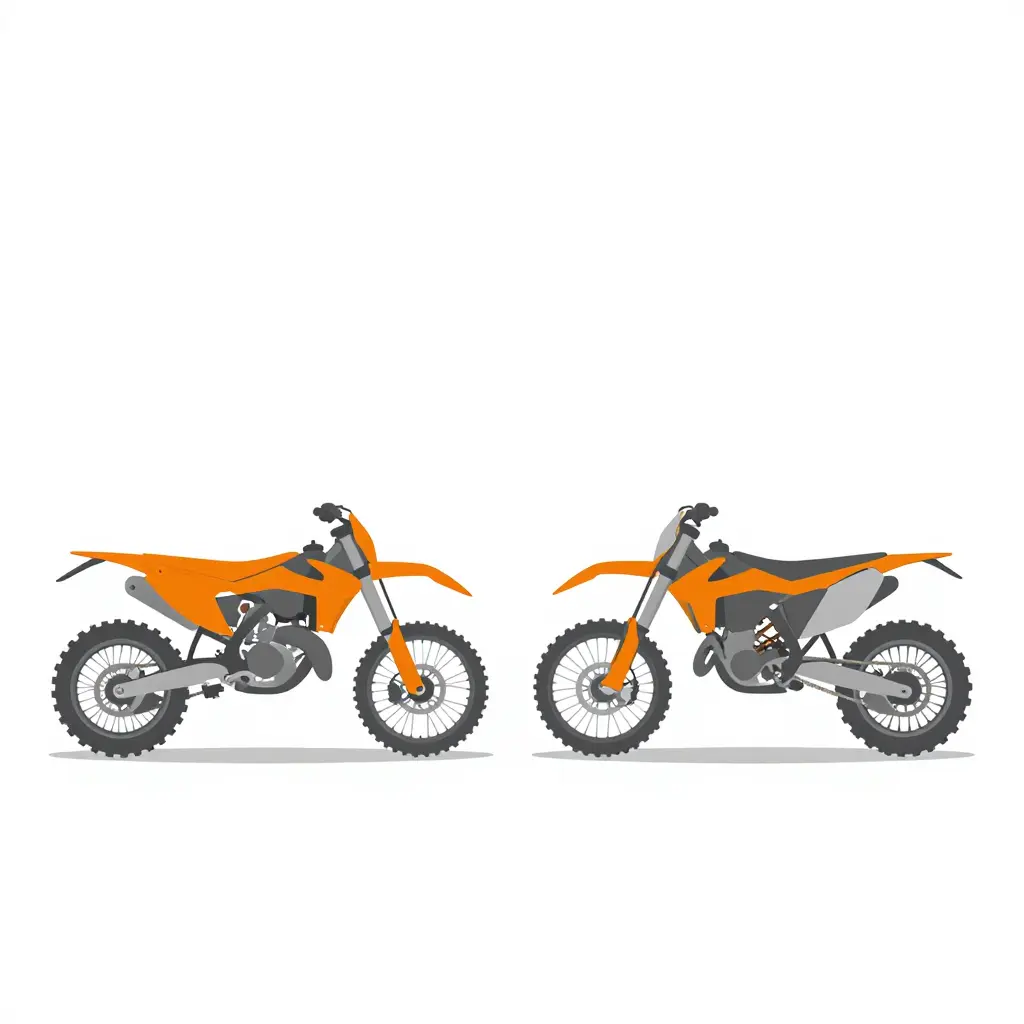
Left: every plastic panel wrapped. Right: radiator shroud only.
What That Coverage Gap Costs You
A full kit costs more because there is more of everything: printable vinyl, die-cut pieces, design time, install time. Some of that buys coverage you will never scuff, but it also buys the complete factory-team look.
A shroud-only set is the leaner purchase: less vinyl, fewer panels, a faster install, and a lower bill every time you bolt on fresh plastics. If plastics are a wear item for you, cost per swap matters more than the first invoice.
| What changes | Full kit | Shroud only |
|---|---|---|
| Panels covered per set | All major plastics | Radiator shrouds only |
| Vinyl and print area | Highest | Lowest |
| Install time | Longer, more alignment | Quick, single pair |
| Cost to refresh after a crash | Highest | Lowest |
| Visual impact on the bike | Complete, uniform | Focused, front-and-center |
If shroud-only sets are available for your bike, a practical middle path is to fit a full kit once, then keep a spare shroud pair for the swaps in between. The bike never looks tired, and you are not re-buying fender and side-panel graphics you already have. KTM owners can see how a design carries across a full kit in our custom KTM graphics kits.
Cost and Wear: How Swap Frequency Changes the Math
A full kit has a higher sticker price, and it should. It covers more real estate: shrouds, fenders, swingarm, fork guards. More material, more printing, more panels. Divide the kit price by the number of panels in the box and the per-panel cost gets small fast. That is the case for a full kit. The catch is that each swap replaces all of it, whether the rest of the bike needed it or not.
Riders who swap often rarely destroy every panel at once. Shrouds take the punishment: roost, boot rub, tie-downs, the occasional tip-over. Fenders and side plates usually survive, so a refresh often needs new shroud panels only. That is where a shroud-only set changes the tally. You buy less material per swap, so the cost per refresh drops.
There is no clever break-even formula. Full kit: kit price times swaps per season. Shroud only: shroud price times swaps per season. The second number is lower at every frequency, and each extra swap widens the gap in dollars. At one swap, a full kit can still look reasonable because its cost spreads across many panels. At four or five, you are paying full price for panels that are still fine.
What Swapping Frequency Actually Costs You Over a Season
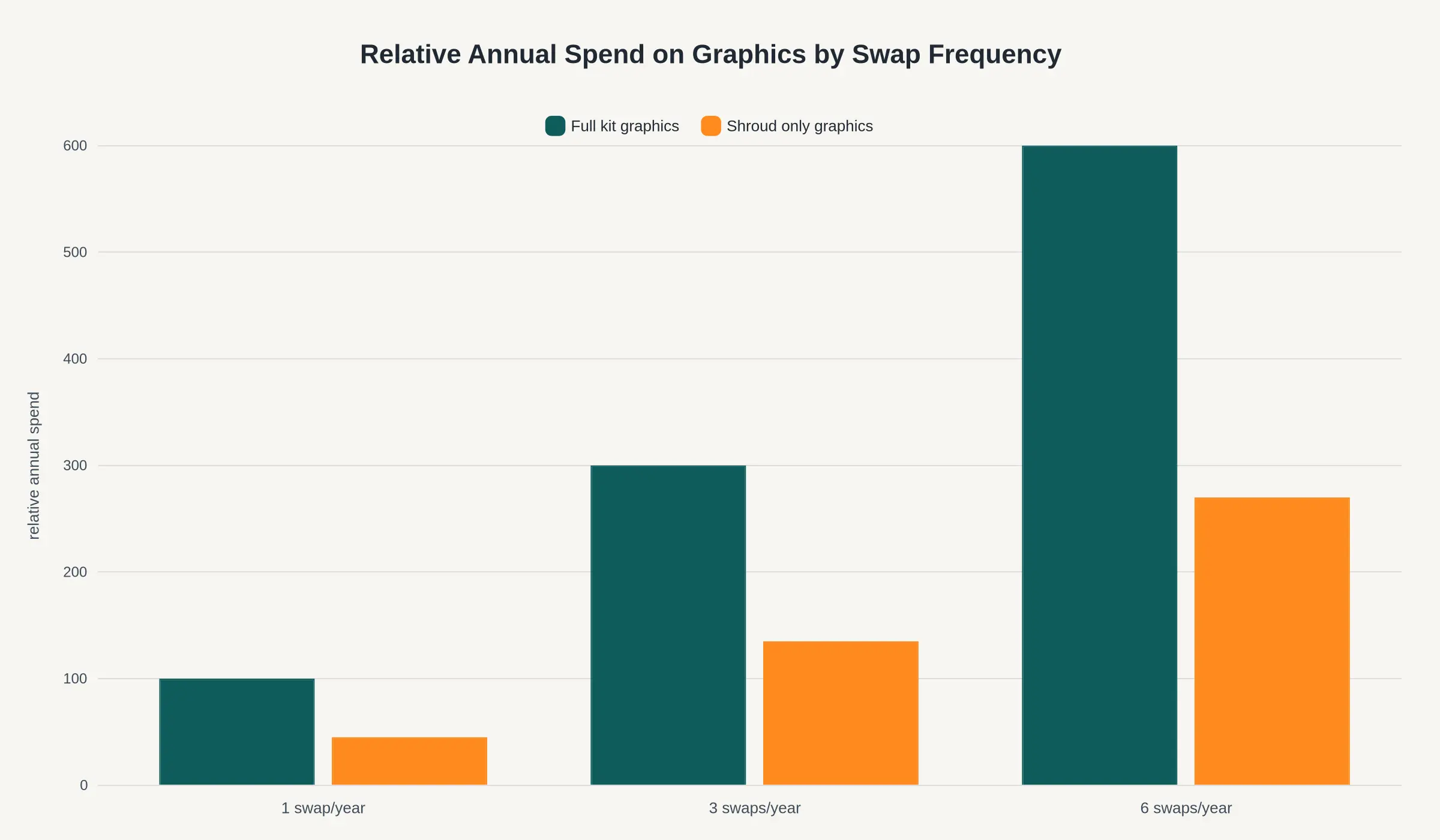
Illustrative index values only (one full kit per year = 100), not market pricing. The point is how spend scales with swap frequency, not the absolute numbers.
The chart shows the same arithmetic as a picture. If each swap costs the same, six swaps a year cost six times one swap. The ratio between the two options barely moves; the dollar gap does. Shroud-only stays cheaper at every frequency, and the dollar savings are largest for the riders who swap most often.
Durability, Installation, and Fit: What Actually Changes Between the Two Options
Both options are usually cast vinyl with a laminated top layer, so the material itself is not the difference. Where it lands is. Shroud-only sets put everything on the panels your knees, boots, and roost hit; a full kit spreads the same film across more panels, including tight curves around the airbox and rear fender where the vinyl has to stretch. Most use a pressure-activated adhesive: it stays forgiving until you squeegee it hard, then it grabs.
UV is the long-term variable. A fade-resistant laminate protects the print from sun and wash chemicals, but coverage matters too. A full kit puts more printed surface in the sun, though it also covers more plastic. Ask what laminate the seller uses and how it is rated. Be skeptical of any specific season count; material quality and how you wash the bike decide more than a number on a spec sheet.
Installation effort is where the gap becomes obvious. Piece count drives time and risk together.
- Full kits often run a dozen or more pre-cut pieces. Every seam has to line up within a millimeter, and alignment errors add up from panel to panel.
- Shroud-only sets are usually two to four pieces. Fewer seams, less squeegee time, and far less alignment risk, which is exactly why riders who re-plastic often start there.
When You Swap Plastics
Removal is the same drill for both: warm the vinyl with a heat gun or hair dryer, peel at a low angle, and clean the leftover adhesive with isopropyl alcohol. Re-installation is where they part ways. A shroud graphic removed carefully can often go back onto fresh plastics, though the adhesive will have lost some tack, so clean the new panel thoroughly and press firmly. On a full kit, one damaged shroud piece is a real problem, because a replacement rarely matches the seams of the panels you are keeping. If you swap often, check the fit notes per model and year before ordering, since aftermarket plastic shapes can differ slightly from OEM. Browse our model-specific pre-cut graphics for those fit notes.
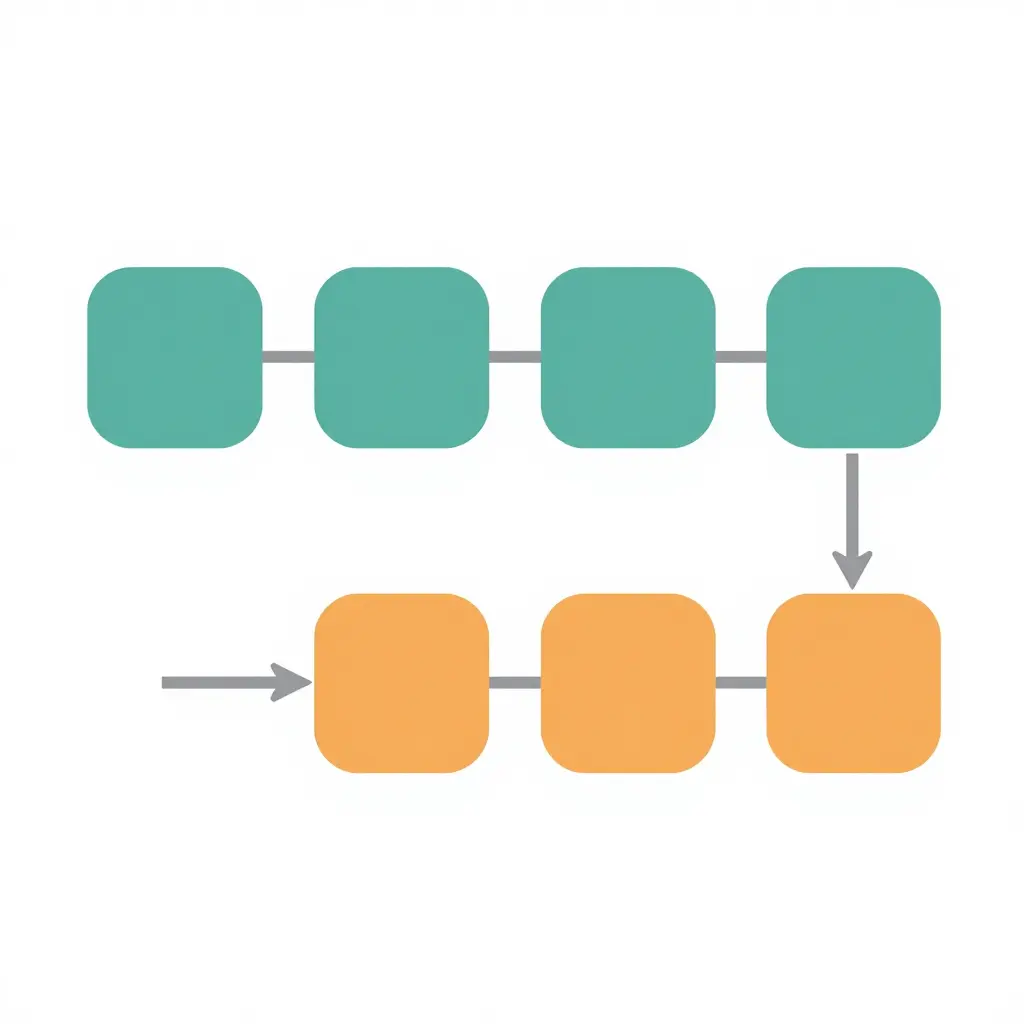
Four steps for a full kit, two for shroud-only. Most of the extra time goes into alignment, not peeling.
Turn the Comparison Into a Repeatable Decision Rule
Count first. How many times a season do your plastics actually come off the bike? A cracked shroud, a scuffed fender, a fresh set after a bad start, the color change you promised yourself last winter. One set a year means the cost gap is small enough that fit and looks should decide. Two or more means you are buying the same printed surfaces again and again, and cost takes over.
Then look at how you buy plastics. If you replace the full set at once, a full graphics kit built for your model is the natural match, because every panel arrives pre-cut for the same set. If you replace only the pieces that break, shroud graphics stop you from buying and binning decals for panels that are still fine. Riders who do both should buy for their most common purchase, not their worst crash.
Design consistency pulls the other way. A matched look across shrouds, fenders, and plates is easier to keep with full coverage, and if the budget allows it, that is a fair reason to choose a full kit. On a practice bike, or in a tight year, covering the sides gets most of the visual gain for much less.
So the rule: if you go through two or more sets a season and usually replace panels one at a time, shroud-only. If you keep one set, or replace the whole set at once, full kit. If you cannot decide, start with the smaller option. Your swap count will tell you soon enough whether it was right.
The Decision Framework: Full Kit or Shroud Only
Riders who pull plastics after every other weekend usually ask which graphics look best. The better question is which panels take the abuse. Answer that and the decision mostly makes itself.
Step 1: Start with where the damage actually lands
Walk around a well-used dirt bike and the wear is not evenly spread. Radiator shrouds sit where your knees, boots, roost from the rider ahead, and the occasional low-side all meet. Fenders catch roost from below. Number plates collect gate hardware, tie-down straps, and the odd handlebar strike.
The doughnut below is our own rough split of where visible wear lands, not a measured study. Use it to see the pattern, not to quote a number.
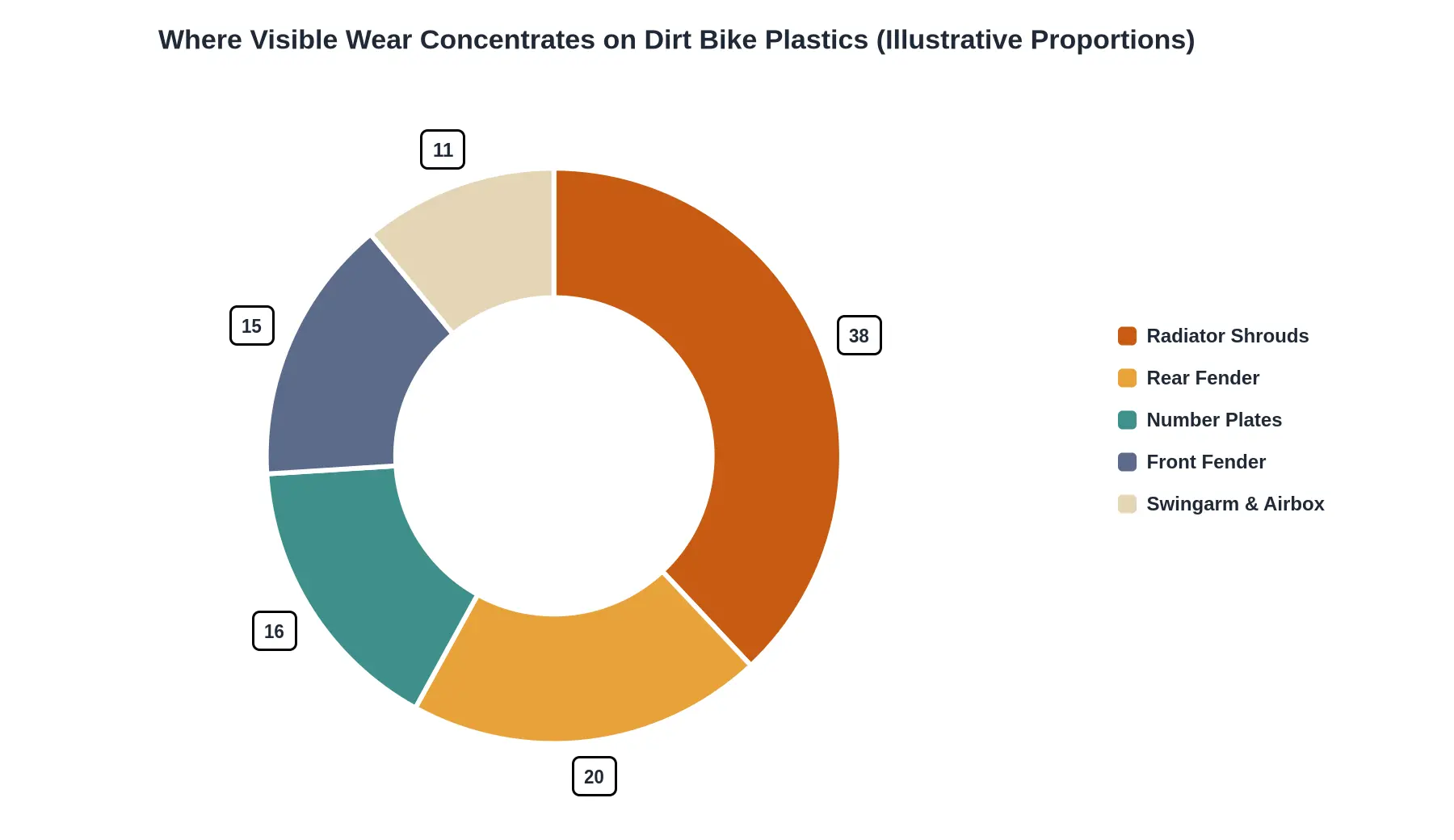
Figure 1: Our rough estimate of where visible wear lands across dirt bike plastics. Not field measurements.
| Panel area | Our estimate | Why it wears |
|---|---|---|
| Radiator shrouds | 38% | Knee and boot contact, roost, slide damage, full sun exposure |
| Rear fender | 20% | Roost from the rear wheel, fold-over on jumps, mud build-up |
| Number plates | 16% | Gate clips, tie-down straps, knee contact, handlebar strikes |
| Front fender | 15% | Roost deflection, transport straps, low-speed tip-overs |
| Swingarm and airbox | 11% | Chain fling, boot scuffing, debris abrasion |
The pattern is the point: shrouds take more visible damage than any other panel, and they are also the largest, flattest, most logo-friendly surface on the bike. If graphics are going to earn their keep anywhere, it is there.
Step 2: Match the kit to your swap frequency
How often do you actually replace plastics?
- Swap twice a season or more: shroud-only graphics make more sense. The rear fender and number plates get replaced anyway, and buying graphics for panels you will toss in a few months is money you will never see again.
- Keep one set of plastics for a full season or longer: a full kit pays off. You get consistent design across fenders, plates, and shrouds, and you only endure the installation once.
- Mixed, with new shrouds and tired fenders: buy the full kit, then replace individual pieces as they wear. Plenty of riders keep a spare fender decal for exactly this reason.
Step 3: Weigh installation and downtime
A shroud-only set is a 15-to-30-minute job with a heat gun and a clean bench. A full kit means removing, cleaning, and refitting every panel, closer to two hours if you wrap the edges properly. If your weekends are for riding, that difference is real.
Step 4: Consider the re-sale and refresh angle
Fresh shroud graphics change how a bike reads from ten feet away, which makes them the cheapest visual reset you can buy, especially on models whose colorways change every couple of years. Updating just the shrouds keeps a bike looking current without touching the rest of the bodywork. Riders with a KTM graphics kit often find that the shrouds do most of the visual work anyway.
The verdict
Shrouds absorb most of the visible abuse, so a shroud-only set gives the highest visual return per dollar to anyone swapping plastics often. Go full kit when you are keeping one plastic set for a full season and want a single design from front fender to number plate.
Find the Right Graphics for Your Platform
Plastic shapes, mounting points, and graphics footprints differ by model, so the fastest route to a gap-free fit is to start from the range built for your bike. Our collections run from lightweight e-motos to full-size motocross machines. Most ranges are listed as full kits; if you want shroud-only coverage, check the product page or ask before ordering, since availability varies by platform.
- 79Bike graphics – full kits cut for the 79Bike platform.
- E-Ride graphics – artwork shaped around the E-Ride panel layout.
- Stark VARG MX and EX graphics – coverage for the full body.
- ReRode R1 graphics – designs sized for the R1’s panels.
- Arctic Leopard graphics – platform-specific kits for the Arctic Leopard range.
- KTM graphics – kits for the classic motocross panels.
- Surron Light Bee graphics – artwork built for the compact Light Bee chassis.
- Surron Ultra Bee graphics – full-kit looks for the Ultra Bee.
- Surron Hyper Bee graphics – kits for the Hyper Bee.
- Talaria XXX graphics – a fast, clean re-wrap if you swap panels often.
- Talaria MX3 and MX4 graphics – full kits for both models.
- Talaria MX5 graphics – coverage designed around the latest Talaria plastics.
- Talaria Komodo graphics – full wraps for the Komodo platform.
Frequently Asked Questions
Are shroud-only graphics enough to cover the visible plastics?
Shroud-only graphics cover the two radiator shrouds and leave the rest bare. On most modern dirt bikes and e-motos those are the largest flat panels and the first thing people notice, so a shroud set does most of the visual work. Rear fenders, side panels, and fork guards will still show their original color. If your plastics are already a matching base color, that is usually fine; if they are mismatched or faded, a full kit hides more.
Can full kit graphics be split and installed panel by panel over time?
Yes. Store the unused pieces flat on their original backing paper, out of direct sunlight and away from heat, then apply each one to clean, dry plastics. It suits riders who are replacing panels gradually or want to spread the work out. Pieces installed months apart may fade at slightly different rates depending on sun exposure and ride hours.
How do graphics hold up when plastics are swapped repeatedly?
Reasonably well, but the adhesive and edges take the stress every time a panel comes off and goes back on. Graphics applied to clean, room-temperature plastics with firm squeegee pressure usually survive several swaps without lifting. Repeated flexing and pressure washing near the edges speed up peeling, so re-seating the borders with gentle heat after a swap helps. If you swap constantly, a shroud set plus spare pieces, where your seller offers them, is often the cheaper way to keep the bike looking fresh.
Does a full kit cost more per season for high-frequency swappers?
Yes, generally, because it covers more panels and you replace more material when one piece fails. Weekly swappers and weekend racers tend to get better value from smaller coverage plus individual replacement panels. A full kit still makes sense when you want one consistent look across the whole bike and plan to refresh everything at once. Durable laminate reduces how often you replace anything, whichever route you take.
Are graphics available for specific bike platforms such as Surron, Talaria, KTM, and 79Bike?
Yes. Templates exist for Surron Light Bee and Ultra Bee, Talaria XXX, MX3/MX4 and MX5, KTM motocross models, and the 79Bike range, among others. Coverage varies by year and model, so check the fitment note on the product page before ordering. The KTM graphics range shows how kits are organized by platform, model, and panel count.
The Short Version: Match the Graphics Kit to Your Plastic Habits
The rule is easy to remember: shroud-only for riders who swap plastics often, full kit for riders who keep one set for a long run. Shroud-only costs less and installs faster, and it leaves the fenders and side panels bare, so older plastic still shows. A full kit covers more, looks finished, costs more, and asks for a careful install.
Before you order, count the plastic sets you actually bolted on last year. Two or more, especially if you replace panels one at a time, points to shroud-only; one or none points to a full kit, where the extra coverage will last as long as that plastic set.